
Face & Body Care for Every Day
Our face and body care range brings together skincare essentials for daily routines and targeted treatments. From cleansers and moisturisers to body lotions and specialised care products, you'll find formulations suited to different skin types and concerns. Whether you're building a simple routine or addressing specific needs, this collection offers practical options for maintaining healthy-looking skin from head to toe.
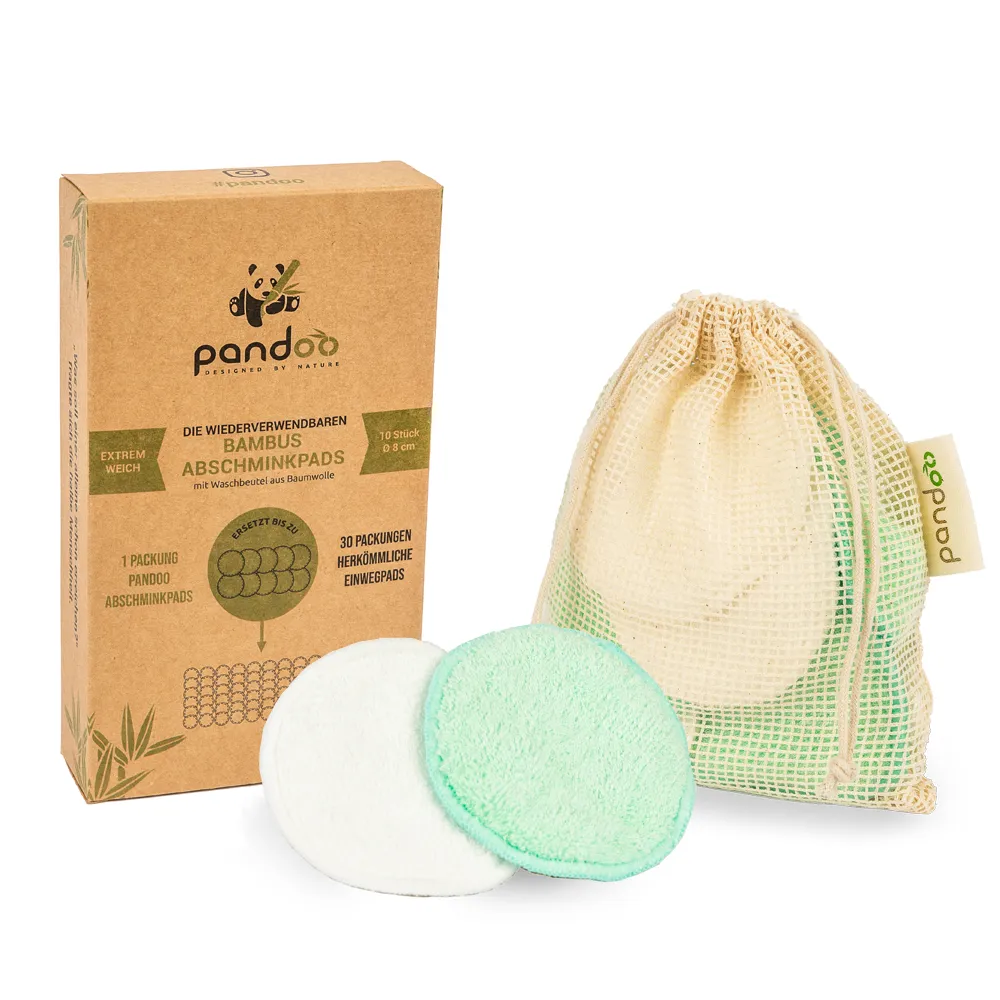
10 reusable and washable make-up remover pads
10 reusable and washable make-up remover pads 80% viscose (bamboo as base material) and 20% cotton - Health: Bamboo is naturally antibacterial and antimicrobial and counteracts the formation of germs even as a carrier material - Environmentally friendly: the cosmetic pads can be washed and reused - Material: Bamboo fibres can absorb five times more liquid than other cellulose materials. This means that significantly less make-up remover is required - Sustainability: No trees are felled for the bamboo pads. Bamboo is a grass that grows up to 1 metre a day
Regular price: €15.99

6x bamboo flannels, 100% viscose (made from bamboo pulp)
Flannels - soft and fluffy for sensitive skin Contents: 6x flannels Size: 25x25cm - organic - without chemical additives or colourants - perfect for sensitive skin (also suitable for children and babies) made from 100% viscose (bamboo is the carrier material)
Regular price: €18.99
Face & body care – the right solution for every need
Choosing the Right Face and Body Care Products
Selecting suitable skincare involves understanding your skin type and specific concerns. Dry skin benefits from richer formulations containing ingredients like shea butter or hyaluronic acid, whilst oily skin responds better to lightweight, non-comedogenic products. Combination skin often requires a targeted approach, using different products for different facial zones.
Key Product Categories and Their Uses
Face care typically includes cleansers, moisturisers, serums, and targeted treatments. Cleansers remove dirt and excess oil without stripping natural moisture. Moisturisers create a protective barrier and maintain hydration levels throughout the day. Serums deliver concentrated active ingredients for specific concerns such as fine lines or uneven tone.
Body care products address larger skin areas with formulations designed for different needs:
- Body lotions for daily hydration and quick absorption
- Body butters for intensive moisture on very dry areas
- Exfoliating scrubs to remove dead skin cells
- Shower gels and soaps for gentle cleansing
Building an Effective Routine
A practical skincare routine need not be complicated. Morning routines typically focus on protection and hydration, whilst evening routines emphasise cleansing and repair. Apply products from thinnest to thickest consistency, allowing each layer to absorb before adding the next. Facial products generally require 5–10 ml per application, whilst body products need approximately 20–30 ml depending on coverage area.
Consider seasonal adjustments to your routine. Winter months often demand richer formulations, whereas summer may call for lighter textures and increased sun protection.
Frequently Asked Questions
How do I choose the right face care routine for my skin type?
Start by identifying your skin type: oily skin benefits from lightweight, oil-free moisturisers and gel cleansers; dry skin needs richer creams with hyaluronic acid or ceramides; combination skin works well with balanced formulations that hydrate without adding excess oil to the T-zone. Sensitive skin requires fragrance-free, hypoallergenic products with minimal ingredients. Cleanse morning and evening, apply serums targeting specific concerns (such as vitamin C for brightness or niacinamide for pores), then seal with moisturiser. Always use SPF during the day, regardless of skin type.
What is the difference between body lotion, body butter, and body oil?
Body lotion has a light, water-based formula that absorbs quickly and suits normal to slightly dry skin for daily use. Body butter contains higher concentrations of oils and butters (such as shea or cocoa butter), making it thicker and more intensive for very dry or rough areas like elbows and heels. Body oil is pure oil or oil blends that lock in moisture when applied to damp skin after showering; it provides a protective barrier but may feel greasy if over-applied. Choose based on your skin's dryness level and preferred texture.
How often should I exfoliate my face and body?
For the face, exfoliate 1–3 times per week depending on skin sensitivity and the exfoliant type. Chemical exfoliants (AHAs like glycolic acid or BHAs like salicylic acid) can be used 2–3 times weekly for oily or resilient skin, while sensitive skin may tolerate only once weekly. Physical scrubs should be gentler and less frequent. For the body, exfoliate 2–3 times per week, focusing on rough areas like knees, elbows, and feet. Over-exfoliating can damage the skin barrier, causing redness and irritation, so adjust frequency if you notice sensitivity.
Do I need separate day and night creams, or can I use the same moisturiser?
Day creams typically include SPF and lighter textures that sit well under makeup, protecting against UV damage and environmental stressors. Night creams are often richer and contain active ingredients like retinol, peptides, or higher concentrations of antioxidants that support skin repair during sleep. If your moisturiser lacks SPF, you must apply a separate sunscreen during the day. For oily or younger skin, one well-formulated moisturiser plus SPF may suffice, but mature or dry skin often benefits from targeted day and night formulations to address different needs.
Are natural or organic skincare products better than conventional ones?
Natural and organic products can be gentler and avoid synthetic fragrances or certain preservatives, which benefits sensitive skin. However, 'natural' does not automatically mean more effective or safer—some plant extracts can cause irritation or allergic reactions. Conventional products often undergo rigorous testing and may contain scientifically proven active ingredients like retinoids or peptides at effective concentrations. Focus on ingredient lists rather than marketing labels: look for clinically backed actives, avoid known irritants for your skin type, and choose products (natural or conventional) that suit your specific concerns and tolerance.